
Inverter vs. conventional generator: which one to choose for your needs?
Introduction: Two technologies, two philosophies
When shopping for a generator, you'll encounter two main types: conventional (fixed-speed) models and inverter models. How do you choose the one best suited to your specific needs? This decision can make all the difference between satisfaction and disappointment.
The classic generator: raw power and simplicity
Functioning and characteristics
The conventional generator operates at a constant speed, generally at 3600 revolutions per minute. Its alternator directly produces the electrical current without additional electronic processing.
Advantages of classic models
- Affordable price : Generally 30-40% cheaper than an equivalent inverter model
- High raw power : Ideal for construction tools, welders, compressors
- Mechanical simplicity : Fewer electronic components = fewer potential failures
- Robustness : Designed for harsh environments and heavy use
Disadvantages to consider
- Less stable voltage : Fluctuations that can damage sensitive electronics
- Constant fuel consumption : Even under light load, the engine runs at full speed
- High noise level : May disturb the neighborhood
- Weight and size : Heavier and bulkier
The inverter generator: technology and efficiency
How it works
The inverter generator incorporates sophisticated electronics that produce clean and stable current. The engine automatically adjusts its speed according to energy demand.
Advantages of inverter models
- High-quality current : THD (total harmonic distortion) less than 3%
- Fuel economy : Up to 40% less fuel consumption
- Quiet operation : Ideal for residential areas
- Compactness : Lighter and more portable
- Parallel operation possible : Connecting two units to double the power
Drawbacks to evaluate
- Higher price : Higher initial investment
- Limited starting power : Less suitable for large electric motors
- Electronic complexity : Potentially more expensive repairs
Practical comparison: which use for which technology?
Choose a standard generator if:
- You primarily supply power to construction site tools (drills, saws, compressors)
- Your budget is tight and the priority is raw power
- You work in an industrial environment where noise is not a problem
- You need high starting power for large motors
Choose an inverter generator if:
- You power sensitive electronic devices (computers, televisions, medical equipment)
- The intended use is residential or camping/RV.
- Noise level is a concern
- You prioritize fuel economy and portability
- You need flexibility (occasional vs. continuous use)
Cost-benefit analysis for businesses
For entrepreneurs and SMEs
If your company regularly uses power tools on construction sites, a standard 7000-10000W generator may be more cost-effective. However, for temporary offices or computer equipment, an uninterruptible power supply (UPS) is essential.
Calculating return on investment
An inverter generator costs approximately $500-$800 more than a comparable conventional model, but can save $200-$300 per year on fuel depending on usage. The break-even point is typically between 2 and 3 years.
GenExpert recommendations by sector
Residential
Westinghouse iGen4000dfc - Perfect for powering home essentials with quiet operation.
Light commercial use
Westinghouse WGen9500TFc - Reliable classic power for robust tools and equipment.
Mixed use
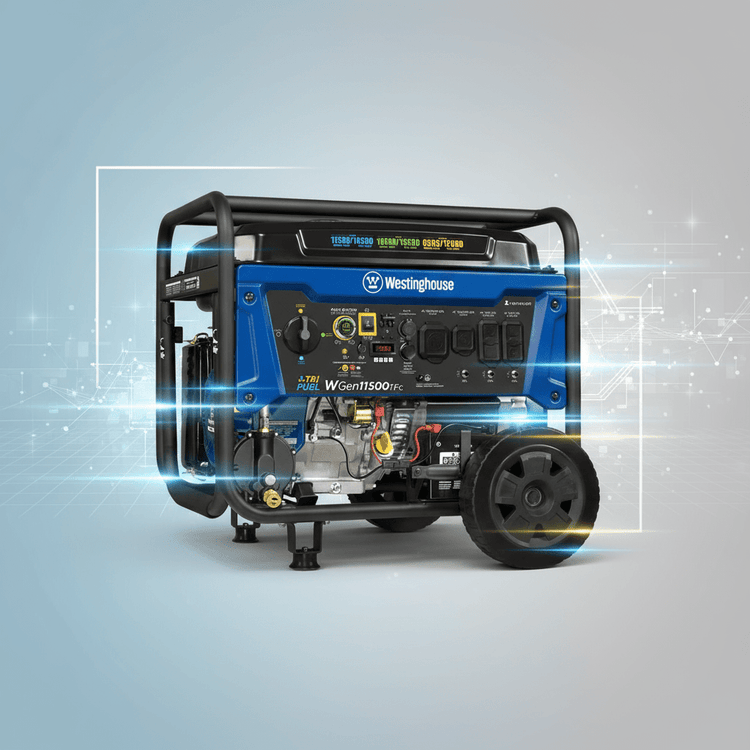
Westinghouse WGen14500TFc - Tri-fuel technology with integrated inverter, the best of both worlds.
Additional decision-making factors
Usage environment
- Urban/residential : Inverter required to comply with noise regulations
- Rural/industrial : Conventional acceptable, focus on power
- Mobile (RV/camping) : Inverter for comfort and discretion
Frequency of use
- Occasional : Inverter for energy efficiency
- Intensive : Classic for robustness and initial cost
Conclusion: your informed choice
In summary, for construction sites or basic raw power needs, a standard generator may suffice and offer excellent value for money. For residential or mobile use with sensitive equipment, an inverter generator is the ideal choice.
Evaluate the devices you need to power, your usage environment, and your budget to choose the technology that offers the best compromise between power, stability, and cost-effectiveness.
Need personalized advice? Our GenExpert experts will analyze your needs free of charge to guide you toward the optimal solution. Contact us today!
Let customers speak for us
Très bonne protection pour les mauvais temps du Québec

Form online to in person conversation - all was very smooth. The generator is more than expected for perfornace and use.
cette génératrice est super

Satis fait du vendeur il est tres genereux de son temps pour donner l ecplication au client ect ect 5 etoiles

courtois et professionnel
Très bon pour maintenir la charge de la batterie de ma génératrice.

Super achat et bon service.

Facilité pour commander et livraison rapide. Le livreur m’a donné toutes les explications requises
J’ai commandé ma Generatrice sur place après avoir discuté et conseillé par Allex je l’ai trouvé très compétent et honnête dans ses explications
Très content de cette Generatrice le seul inconvénient elle est passablement bruyante
livraison a domicile, montage et explications du fonctionnement. super service
Bien

Je suis très satisfait de l’a génératrice
Lors des tests tout a très bien fonctionné
Très satisfait de mon achat, excellente communication pour le service après vente, merci Mike 👍
Fonctionne très bien
Ce que les clients pensent de la boutique
Store fournit des groupes électrogènes avec un excellent service client et une assistance. Des membres du personnel tels que Mike, Alexandre et Tristan fournissent des conseils avisés, des explications aux patients et une assistance après-vente fiable. La livr...